Mouse size
Text size
High contrast
Black & white
Sunlight Doesn’t Need a Pipeline Festival
Stanley Picker Gallery and online.
All welcome.
Stanley Picker Gallery,
Kingston University London
Kingston School of Art, Grange Road
Kingston upon Thames KT1 2QJ
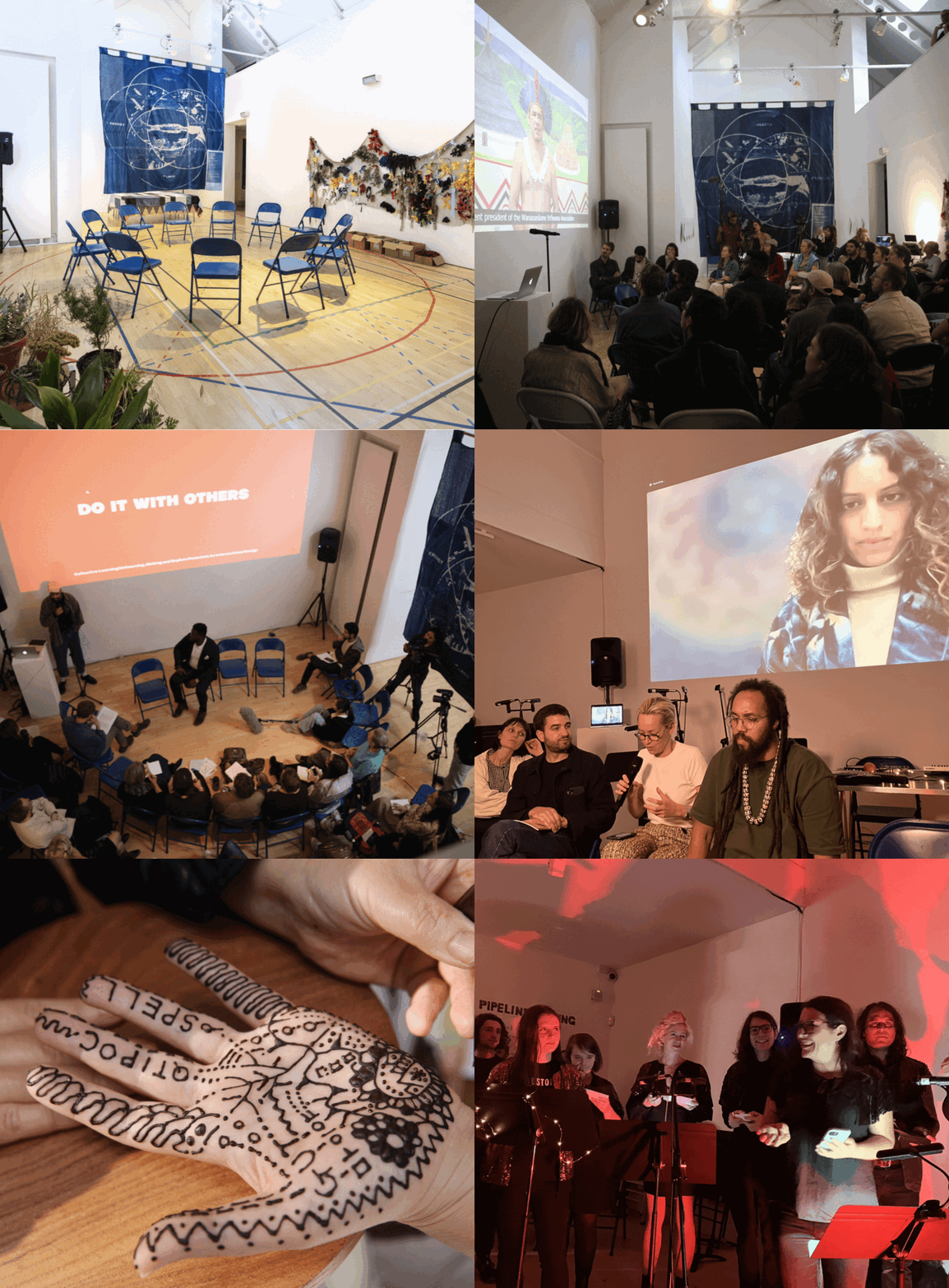
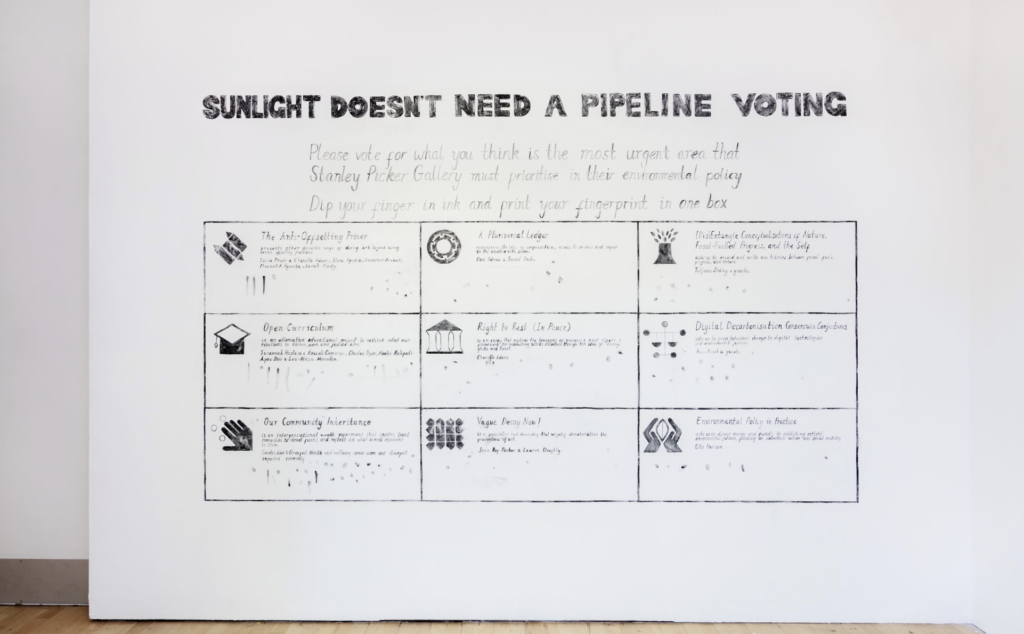
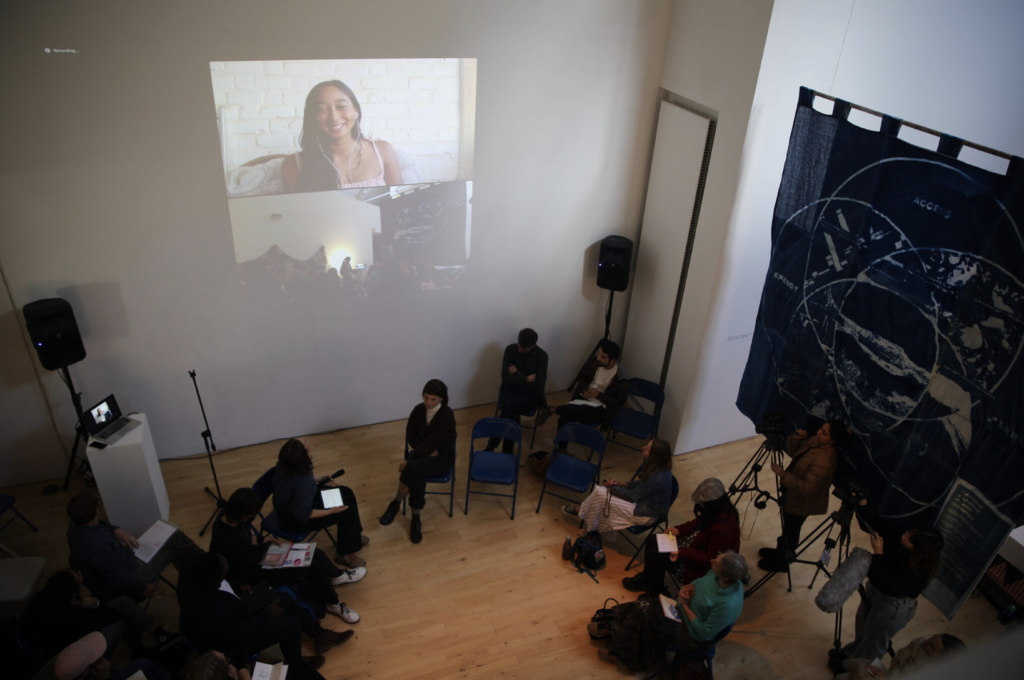
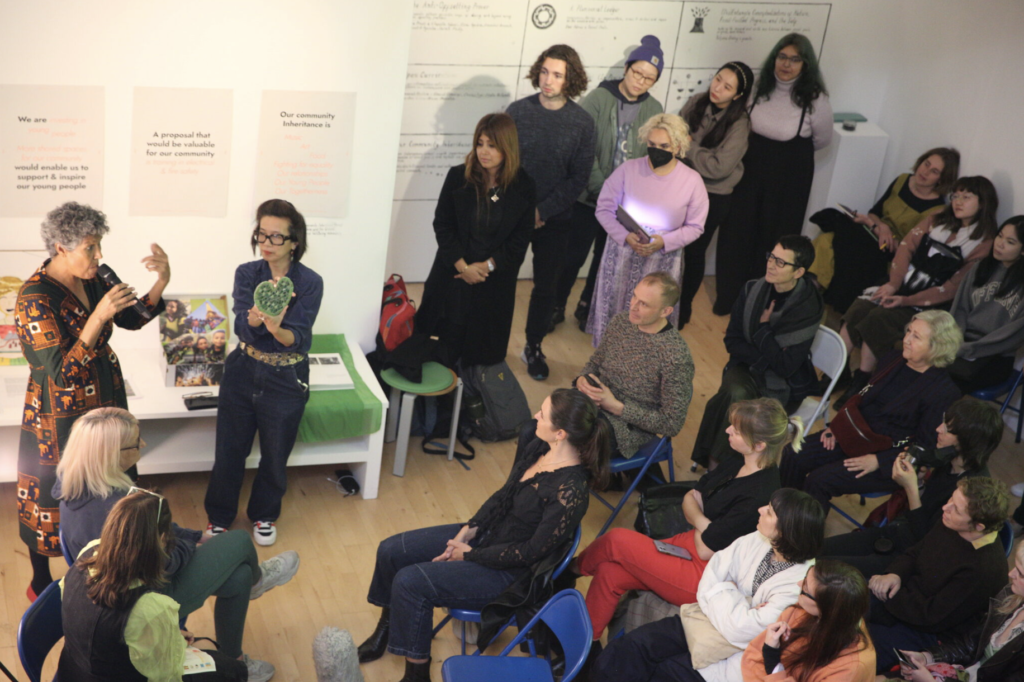
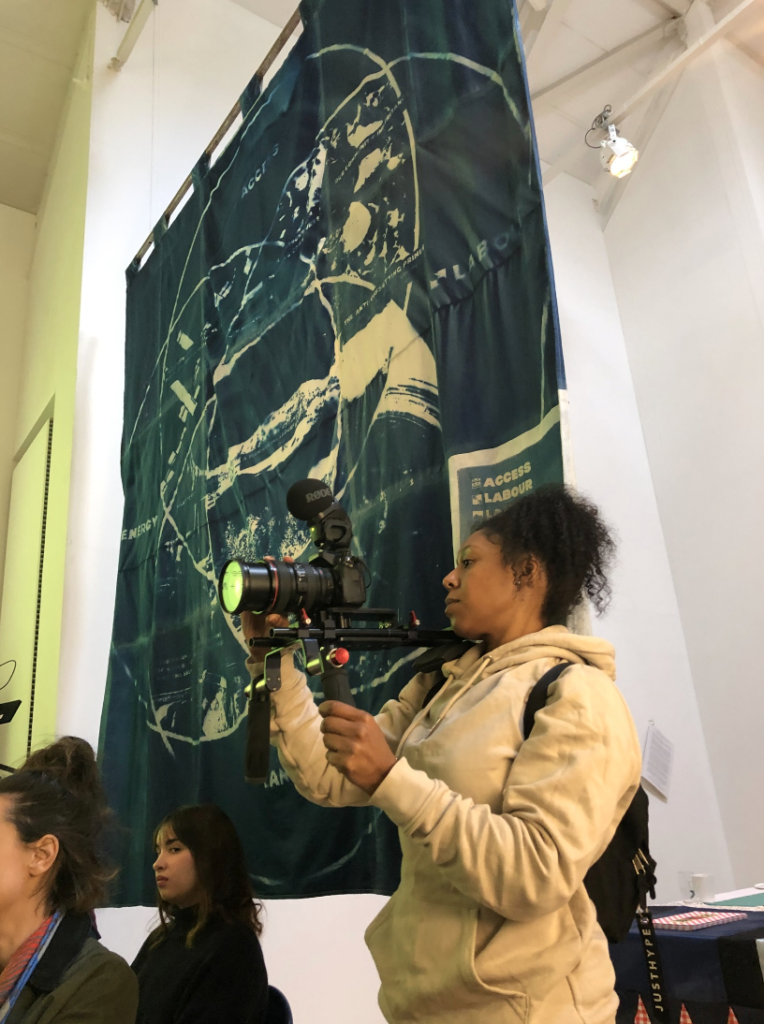
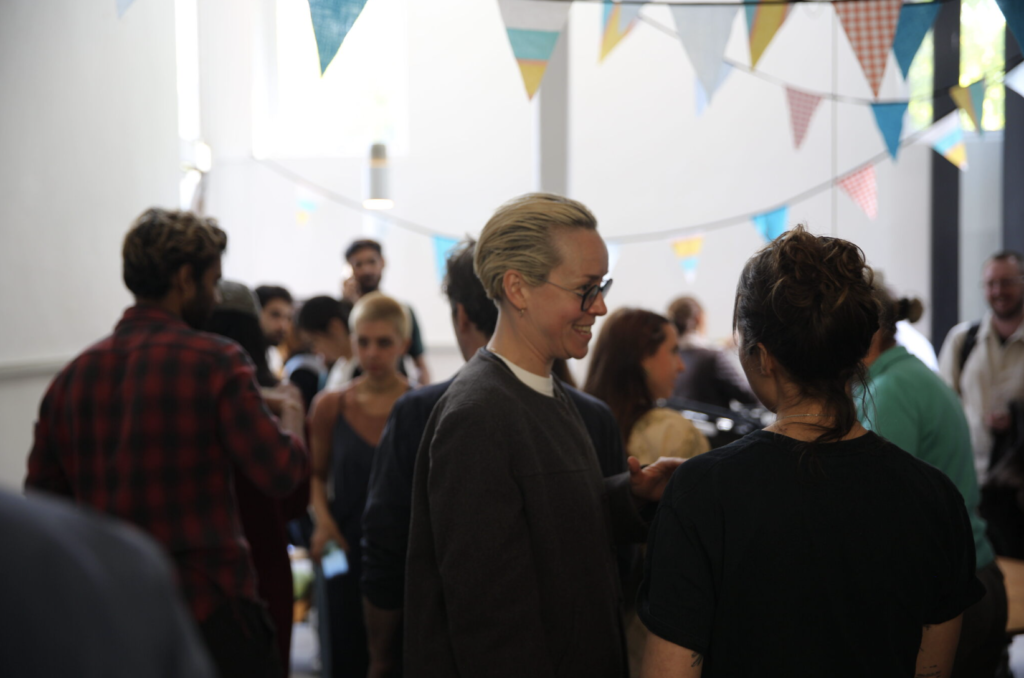
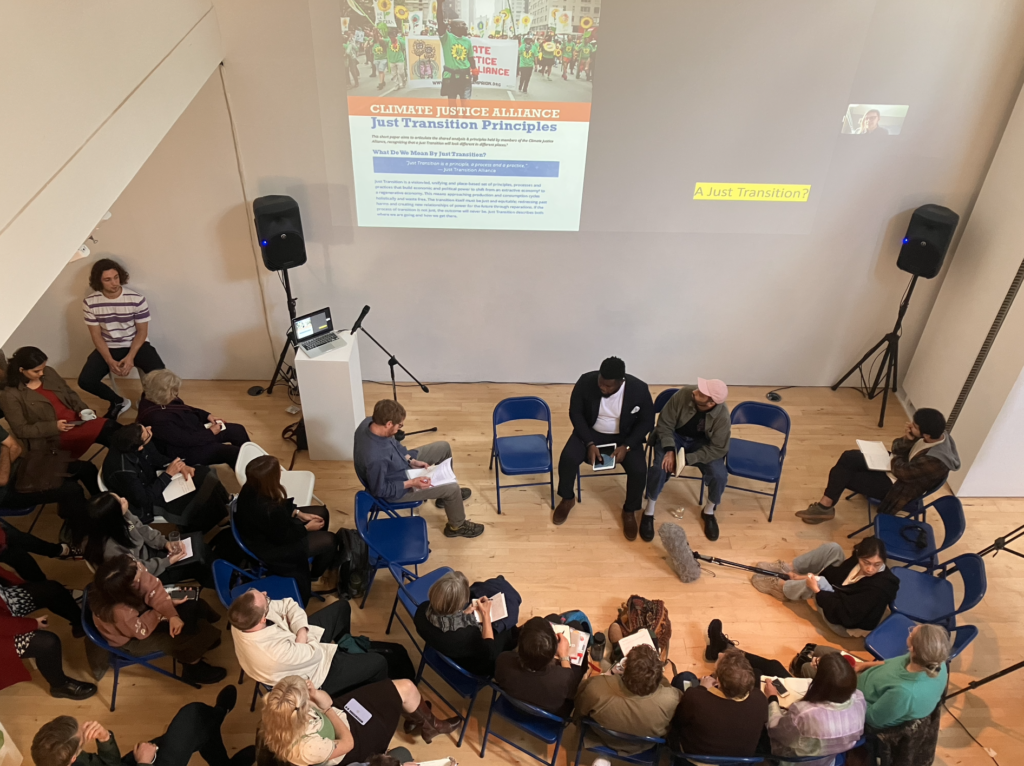
Sunlight’s first Community Festival was a day-long celebration and teach-in. On Friday 7th October 2022, various parts of the holistic decarbonisation plan were presented to art audiences, local communities and groups connected to the Stanley Picker Gallery and which culminated in a community vote for the organisation’s Environmental Policy priorities for the next 3 years (2023-2027).
Presenting The Plan
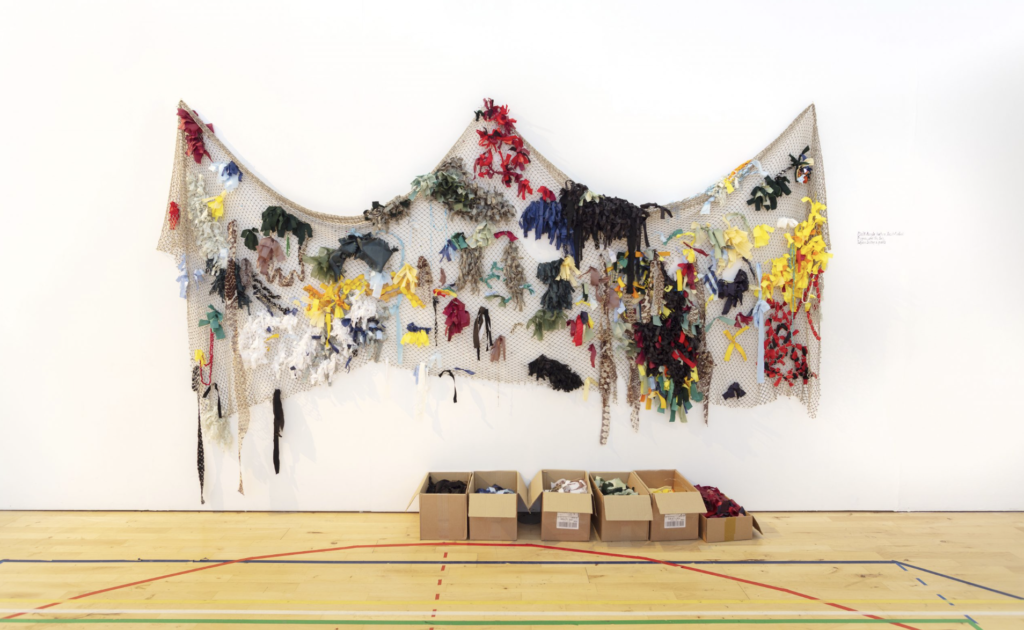
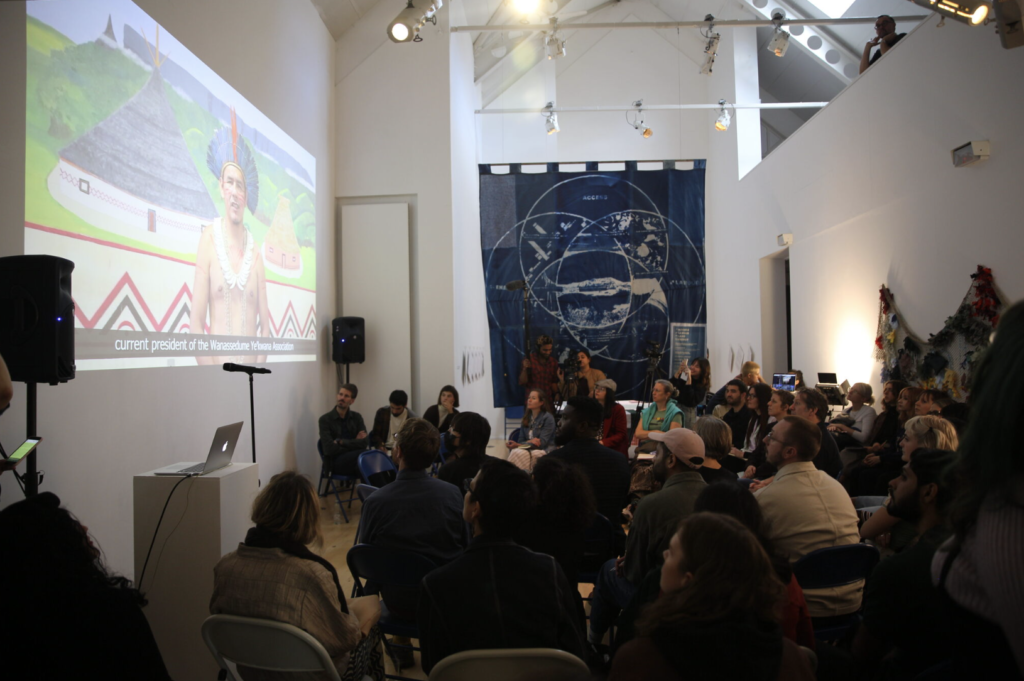
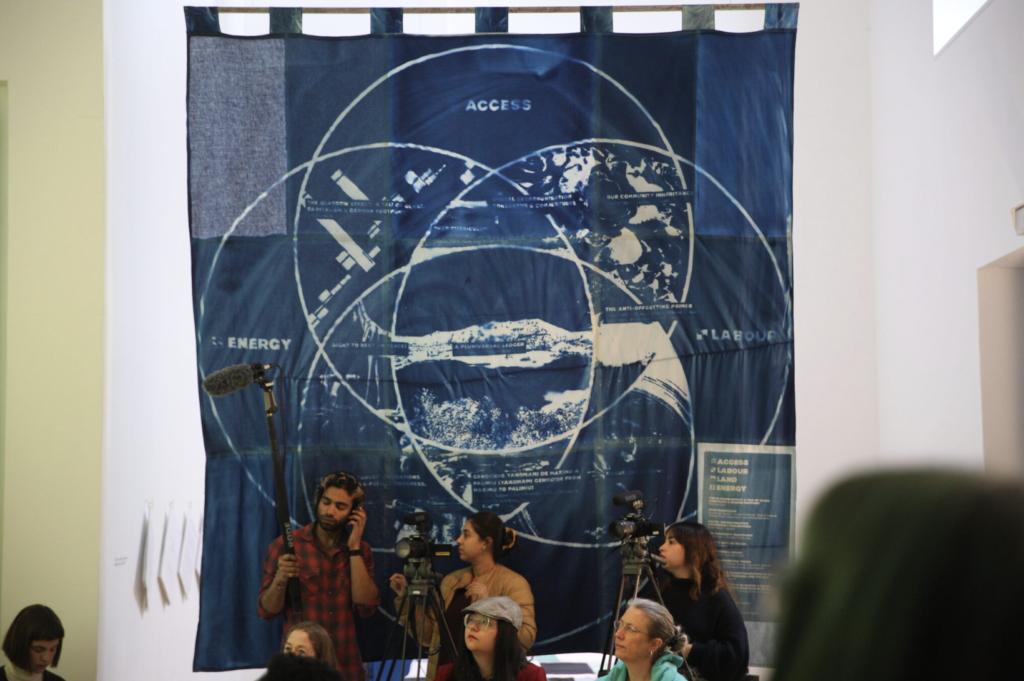
After opening remarks by David Falkner, Director of Stanley Picker Gallery, and Dani Admiss, Sunlight Founder, Stanley Picker Fellow and Independent Curator and Researcher. The day was split into three sections. At a time of deepening environmental, social and political catastrophe, much depends on the re-invention of our social imagination. As Luiza Prado (2022) writes “In order to effect change in the world and its systems, we must first be able to imagine what else lies at the doors of possibility.” This requires looking at the roots of climate emergency with open hearts and minds. For centuries, colonialism and imperial industrialisation has undervalued, extracted and commodified planet earth and its inhabitants, creating disparity and inequity worldwide. All pathways to repair must first begin to reckon with the climate emergency’s roots in racial capitalism (Bhattacharyya, 2018). Acknowledging that art and knowledge are often centralised and shaped through Eurocentric and Global North structures, Remembering (Relations Not Accounted For) presented Taking Museums to the Orchards by Chanelle Adams, [Dis]Entangle Nature, Fossil-Fuelled Progress, and the Self by Tatjana Soding, and screened Genocídio Yanomami de Haximu a Palimiu (Yanomami Genocide from Haximu to Palimiu) directed by Amazoner Arawak and guests.
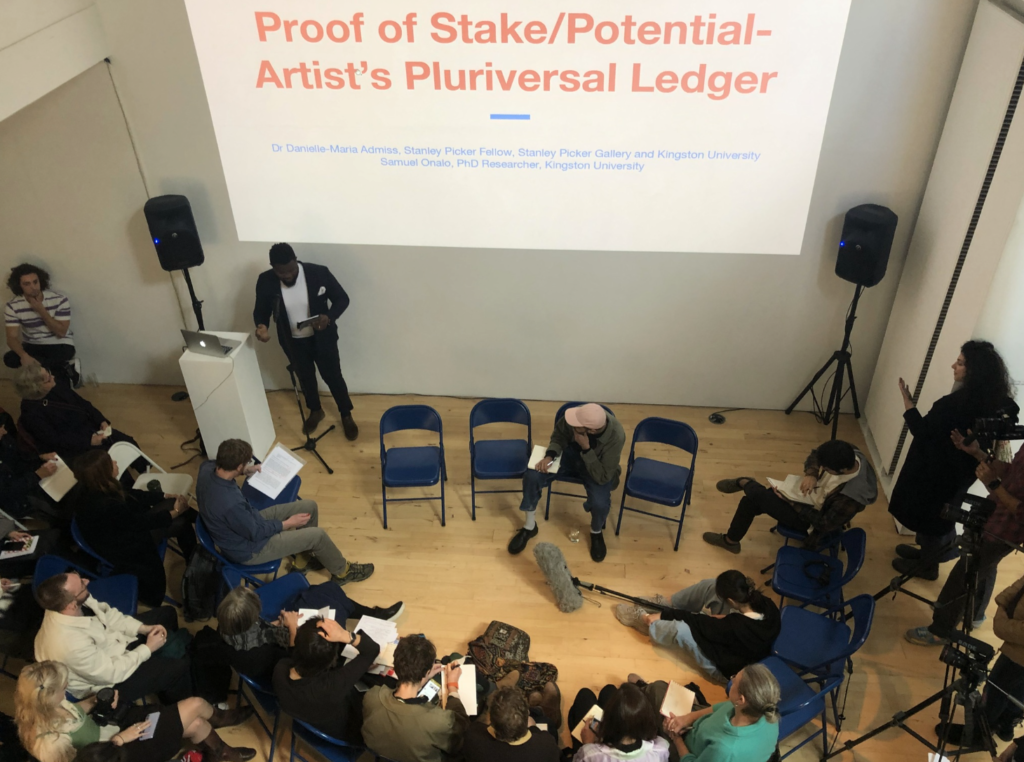
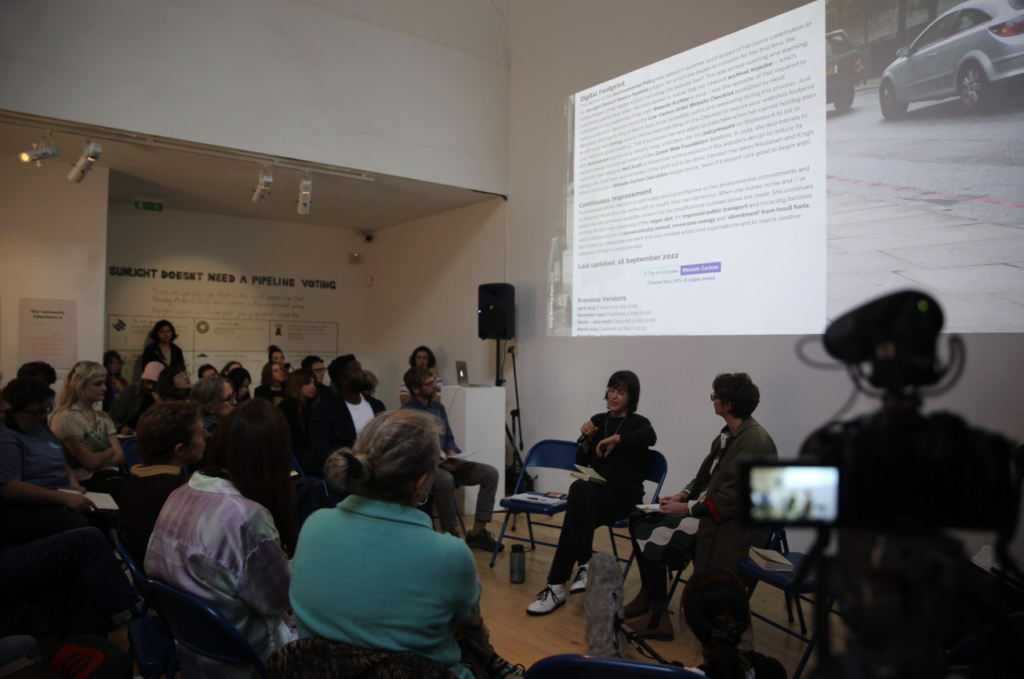
True accountability, by its very nature, should push us to grow, change and transform. Chaired by Dr Paul Micklethwaite, Disturbing Redistribution featured presentations and a panel discussion by Anne Pasek entitled Digital Decarbonisation + the Arts, A Pluriversal Ledger by Samuel Onalo and Access, Inclusion, Low-Carbon, Arjun Harrison-Mann of Studio Hyte. This was followed by a conversation between artist Ellie Harrison and Dr Sophie Hope about Harrison’s book The Glasgow Effect: A Tale of Class, Capitalism & Carbon Footprint and her project, Environmental Policy in Practice.
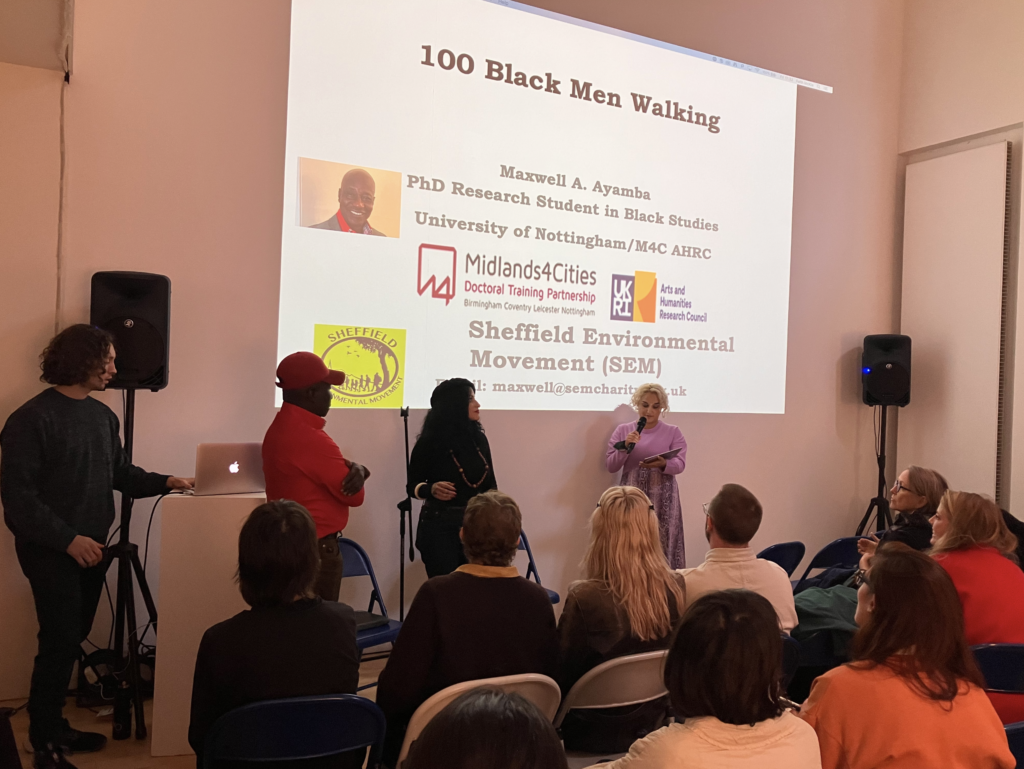
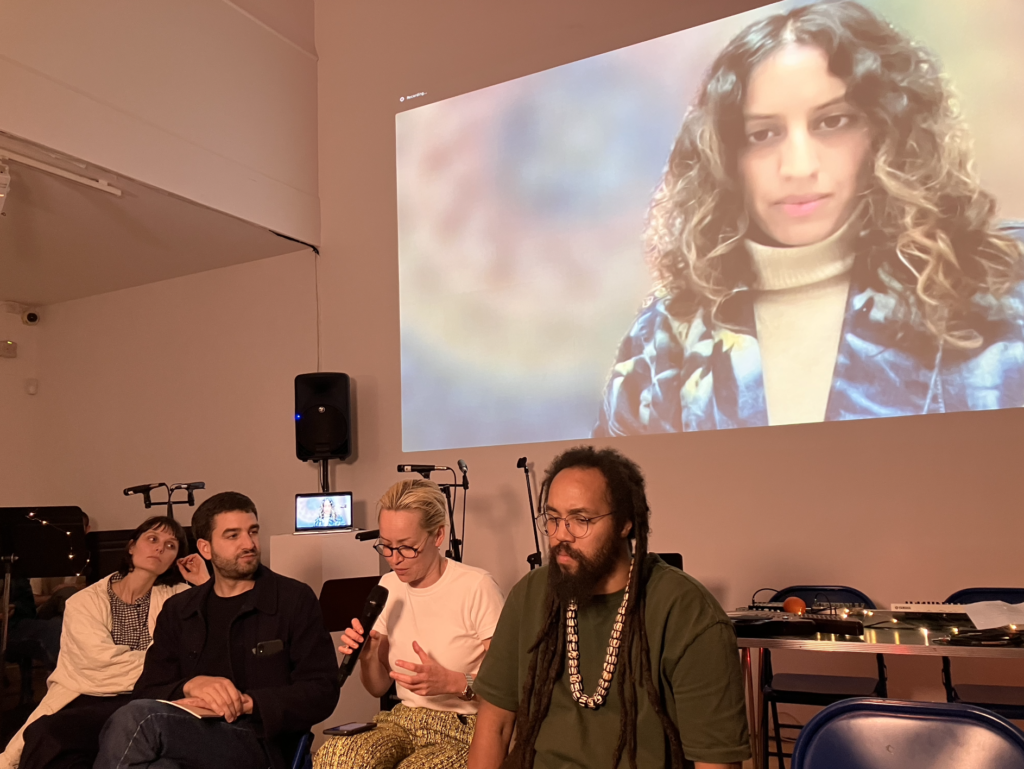
Chaired by Farah Ahmed, Reconfiguring Reparation explored various reforms, blocks and redesigns that are needed for climate justice in our communities. This section featured presentations by Cecilia Wee with Our Community Inheritance. Wee was joined by Moyra Samuels, a local activity and Community Connector of NHS Grenfell Health and Wellbeing Service and Grenfell impacted communities and Angela Ainsworth of NHS with guests of Grenfell community. Next, Luiza Prado de O. Martins spoke with Maxwell A. Ayamba about The Anti-Offsetting Primer. Followed by a panel conversation, Love, dialogue, confidence, coherence — is this radical education? The panel was chaired by Susannah Haslam and featured Charles Pryor, Apex Zero, Megha Ralapati and Lou-Atessa Marcellin.
Supporting Programme
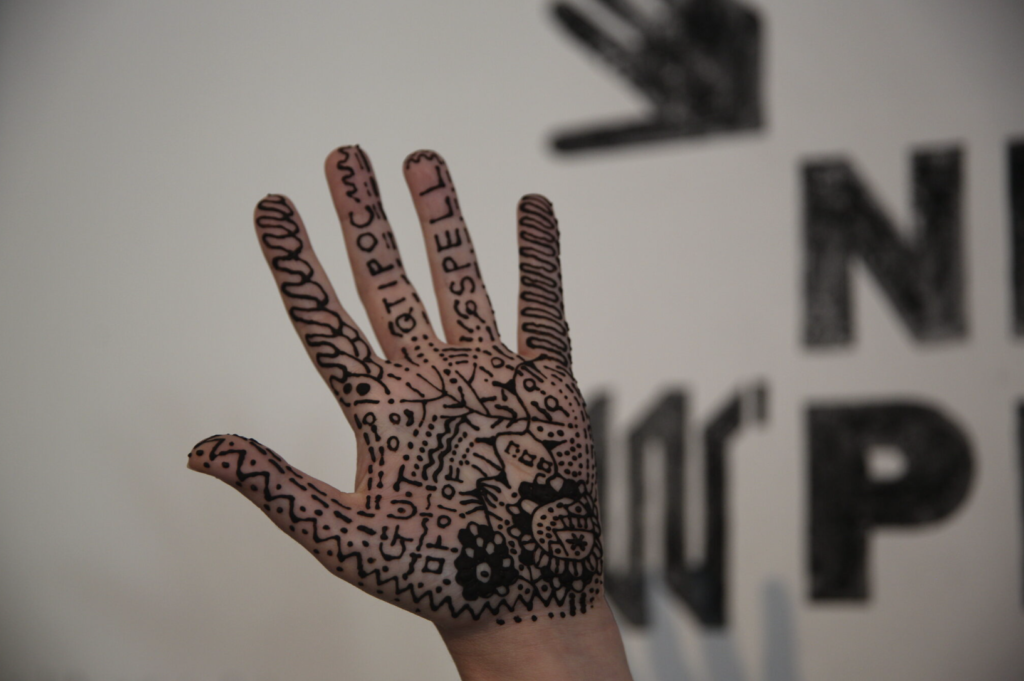
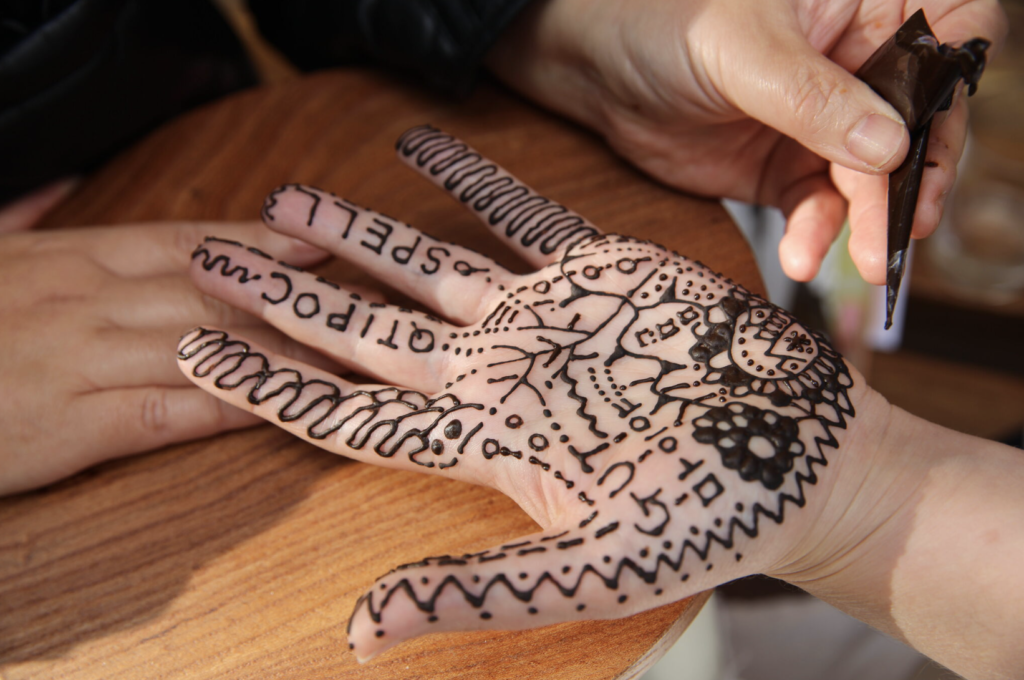
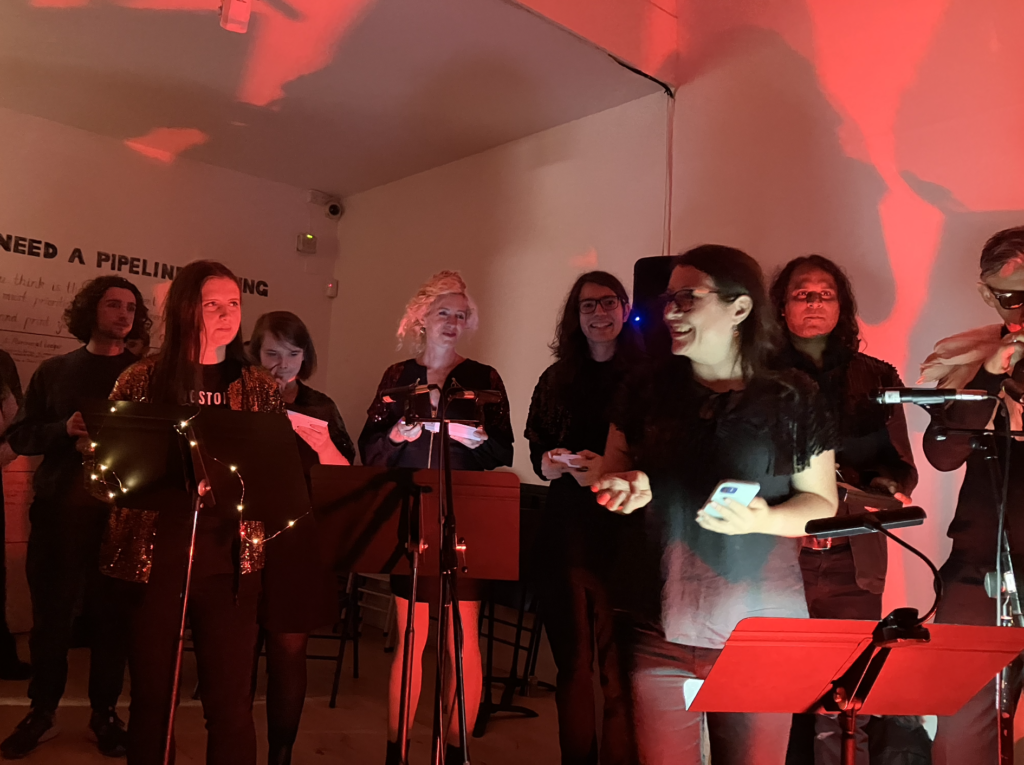
Interspersed across the day in various gallery location a selection of performances and film screenings punctuated the day, sowing seeds and making bridges. Touch-Me-Not: On The Surface and Under the Skin by artist Taey Iohe invited individuals to sit with them, touch hands, look into each other’s eyes and share tales in a palm drawing ritual. Iohe used a homemade mixture of henna and bongseonwha (Korean balsam plant, English common name is forget-me-not). Bongseonhwa is a resilient and common plant in Korea; it was first planted in people’s gardens to ward off evil spirits and disease. Artist Marija Bozinovska Jones performed a guided and reading performance exploring knowledge within called Interbeing and Kingston’s Stylophone Orchestra performed in response to the themes of the day.
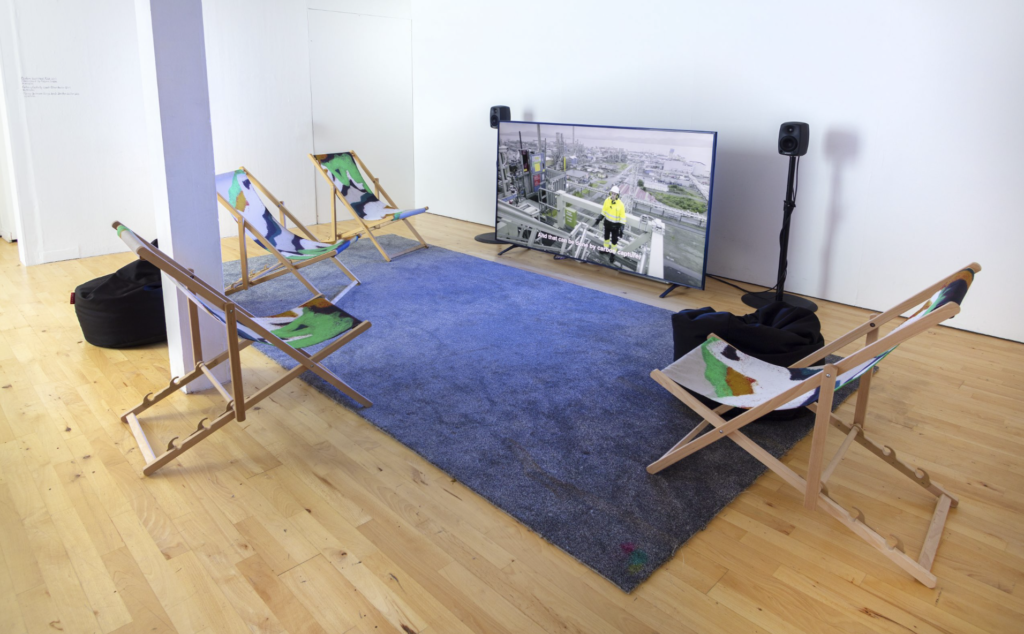
Three films were screened throughout the Festival. Each of these films tells a local and site-specific story about the climate emergency that adds depth and specificity to many of the questions raised throughout the project. Amazoner Arawak is a son of Wapixana and Makuxi Indigenous Peoples. He is an artivist, craftsman, Indigenous artist, cultural producer and marchand. His film Genocídio Yanomami de Haximu a Palimiu (in english Yanomami Genocide from Haximu to Palimiu) explains the conditions and contexts of the Yanomami tribe and the fight against illegal mining and the invasion of more than 40,000 men in the Yanomami Indigenous Land in Roraima, Brazil. The Moving Upstream: Ganga documentary was filmed on a 3000km walk along the River Ganga that took place between June 2016 and April 2017, and started from Ganga Sagar in West Bengal and finishing in Gangotri in Uttarakhan. Directed by Shridhar Sudhir and Produced by Siddarth Agarwal the project set out with the intention to document the river and life of the riparian community, amplifying the voices of the river people, woven together through the medium of the walk. The film Carbon & Captivity, directed by artist Oliver Ressler, interweaves shooting at the world’s largest facility for testing carbon capture technologies on an industrial scale, the Technology Centre Mongstad (TCM), 67 km north of Bergen in Norway, with a poetic-political narration text and a dense sound design. Carbon capture and storage (CCS) is presented as technofix to prevent catastrophic global warming. In reality it will delay the radical decarbonisation needed, deepening our dependence on the fossil fuel industry. The film’s title refers to humanity’s “captivity” within the logic of capitalism, which seems to carry extractivism onward to the point of no return. The climate crisis means we must rethink our energy systems: where we get energy from, how it’s produced and who benefits from it. Workforces and communities all over the UK will be impacted by the energy transition and have the potential to benefit from more publicly owned, local and renewable energy. Directed by Hazel Falck and commissioned by Platform London, Offshore is an independent documentary that brings together varying perspectives on working in offshore oil and gas and renewable energy – and explores what the coming energy transition means for workers and communities around the UK North Sea.
The day began with a communal lunch with food provided by Kingston University and a local charity, Save the World Club. Based in Kingston, Save the World Club was set up by Des Key, who, for many years, has been embedded in stories of discard and waste, helping others by providing food security in the area.
Art as Strategy
At the end of the day, we asked the community to vote for which holistic decarbonisation plan projects they thought were the most critical things for the gallery. The three projects chosen were The Anti-Offsetting Primer, Open Curriculum and Our Community Inheritance. Through talks and discussions with the commissioned artists and local stakeholders, Stanley Picker Gallery has now implemented three changes to their work. In 2023, the gallery set up a Community Forum, a monthly meeting for local residents, gallery staff, art audiences, and Kingston University staff and students to share their needs, desires and challenges with the aim to build towards co-created programmes in response. Stanley Picker Gallery will also help facilitate a Curriculum Training Programme for skill, literacy and capacity-building outside of the art and education institution. Supporting and facilitating a space for community learning to help “direct” art workers practice towards Just Transition. Thirdly, Stanley Picker Gallery will be involved in the Sunlight Liberation Network, a support group for climate justice and art workers to have a safe space to continue the emotional and intellectual work needed for art work in uncertain times.
Community Programme as Carbon Returns
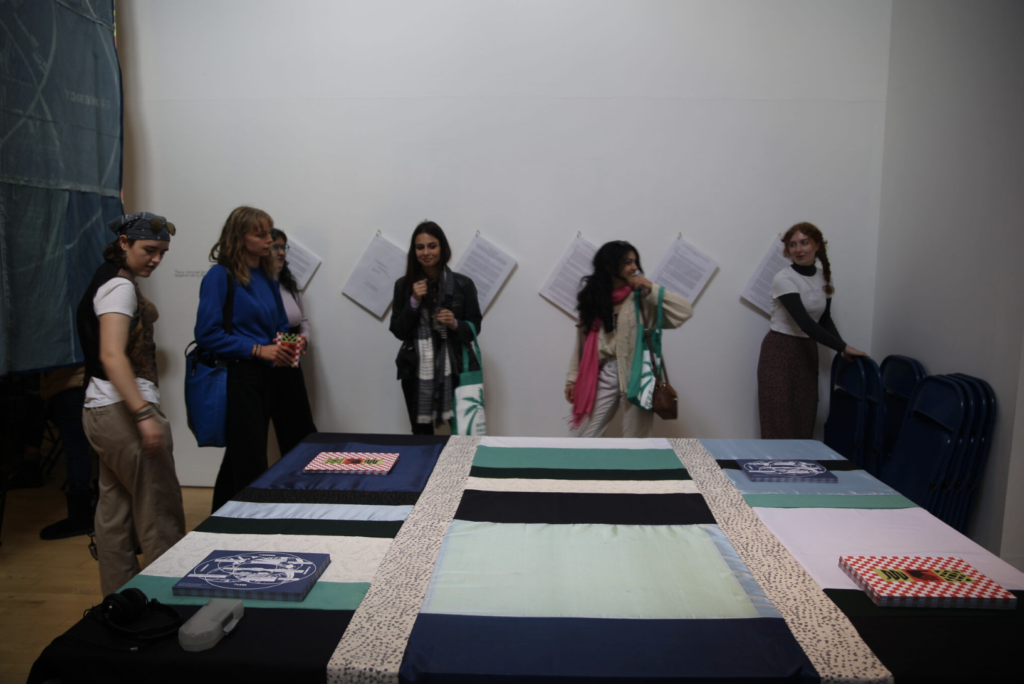
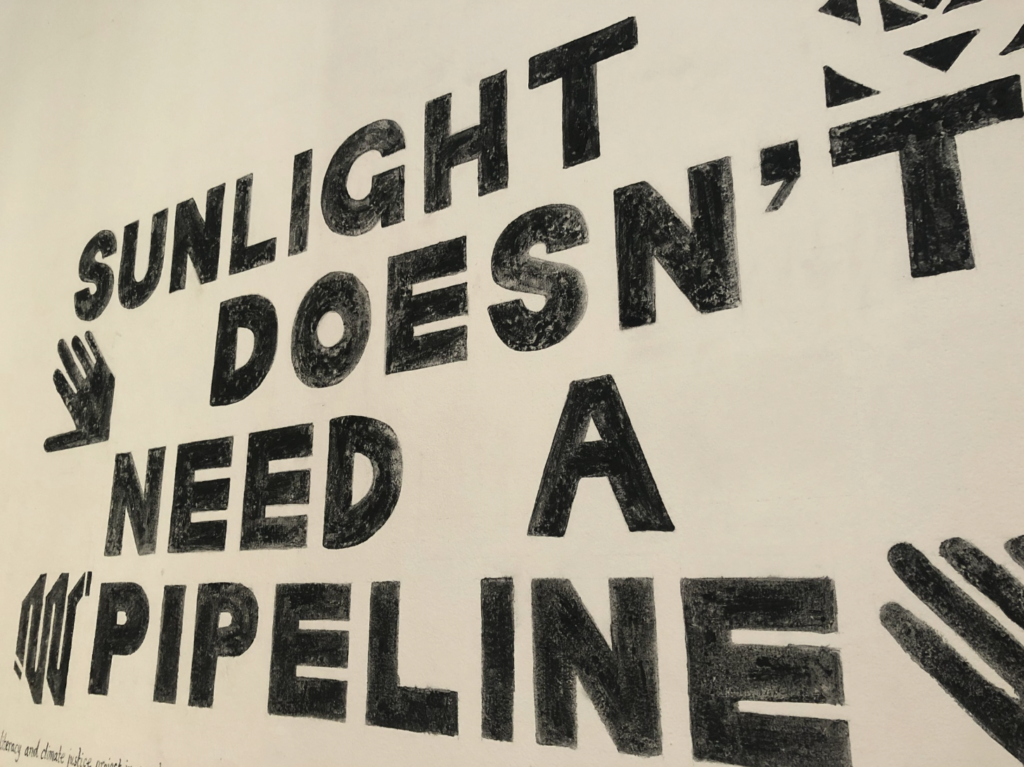
At the beginning of Sunlight, when the community festival was first conceived, Dani Admiss had the idea that the project would “give back more than it took”. This began as something to do with carbon reporting, energy and art production and ended up as something about feeding the community. From hand-drawn wall text using ecological chalks to borrowed seating, nothing new was purchased to put on the Festival, only items that were reused and recycled from past shows and the local economy. For three weeks after the Festival the gallery donated its space, staff and facilities to local community and support groups. A rich range of meetups, workshops, exhibitions, performances and classes took place. Including an exhibition and drop-in by Ariadne’s Thread, a Polish-Ukrainian support group that helps to preserve cultural heritage and promote a brighter future through creativity, an ambitious installation, Trash Monster using recycled plastics to create a sculptural costume by The Grange, a Garden ArtClub for young artists by Hogsmill Community Garden, a lino printing workshop by Creative Youth, an Eco-Art-Pop-Up event by Kingston HIVE, and workshops by Dr Heba Elsharkawy, Kingston School of Art Head of Department Architecture & Landscape, and Dr Paul Micklethwaite, Kingston School of Art MA Sustainable Design.
Employing methods of role play and world-building, Lou-Atessa Marcellin staged Carbon Hurt an afternoon-long workshop featuring commissions by Harry Bix and others. Departing from the resources generated in the Open Curriculum, the workshop posed the question: what is Carbon? Considering how we can collectively generate spaces for solidarity at work.
The gallery continued its shared use programme for the following exhibition, At Home (17 November-25 February).
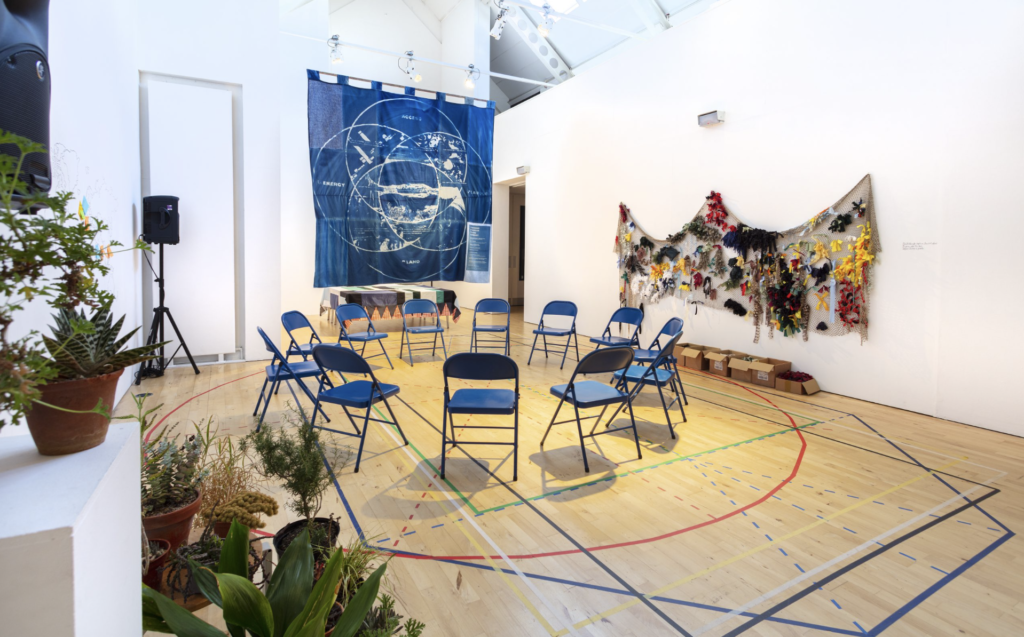

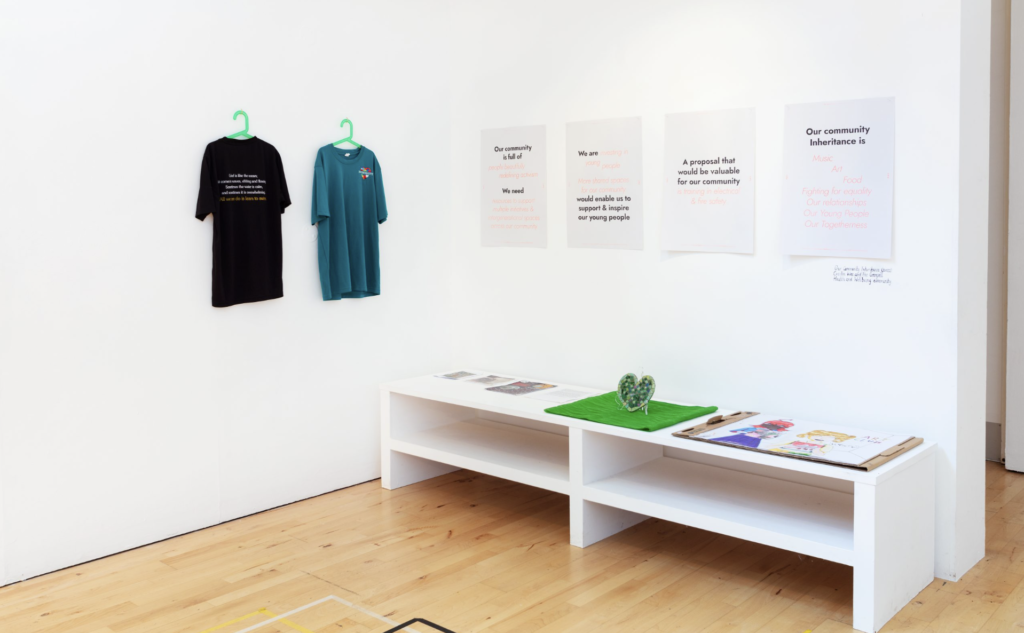



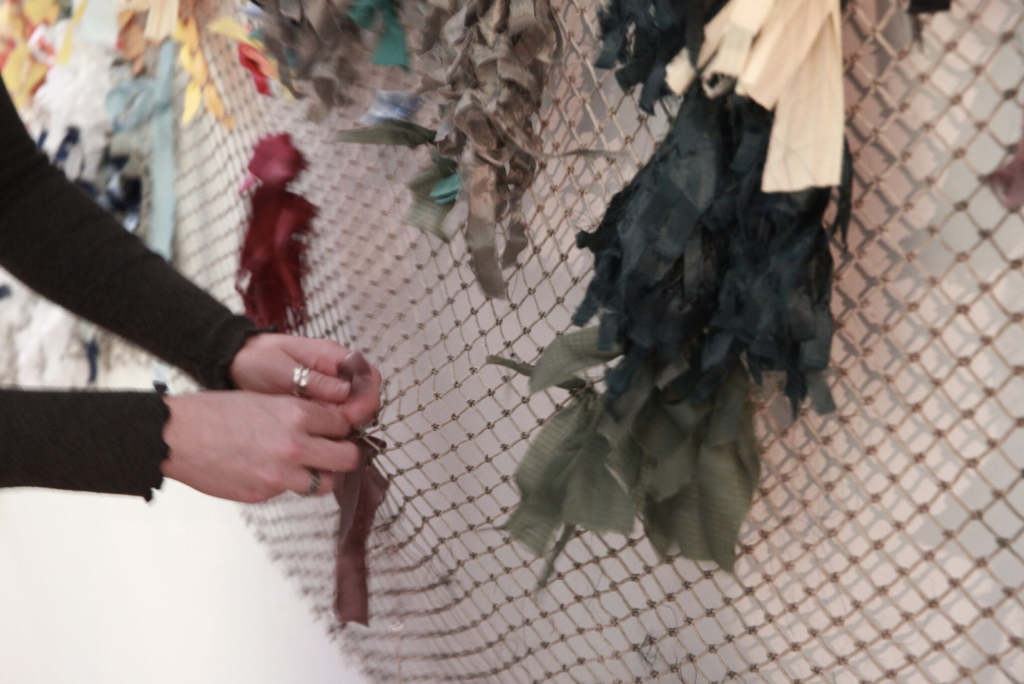



![A group of people stand in a gallery. They are blurred in the background hangs [Dis]Entangled Map (2022) fabric fishing net.](https://sunlightdoesntneedapipeline.com/wp-content/uploads/2023/01/22-Sunlight-Doesnt-Need-a-Pipeline-07.1022-Stanley-Picker-Gallery-1.-Photo-by-w.i.n.c-Films-1024x680.png)


Schedule

Luiza Prado & Dani Admiss
All Day 28/09/2022
The NewBridge Project Gallery, Newcastle, UK
#workshops

Anne Pasek
15:00-18:00 13/08/2022
Online
#workshops

Lou-Atessa Marcellin featuring commissions by Harry Bix and others.
11:00-17:00 17/10/2022
Stanley Picker Gallery
#workshops
All Day 07/10/2022
Stanley Picker Gallery
#events
